Culture & Gastronomy | September 21, 2026
The Scent of Orange Blossom in Seville
Why is the city full of orange trees if their fruit is not eaten?
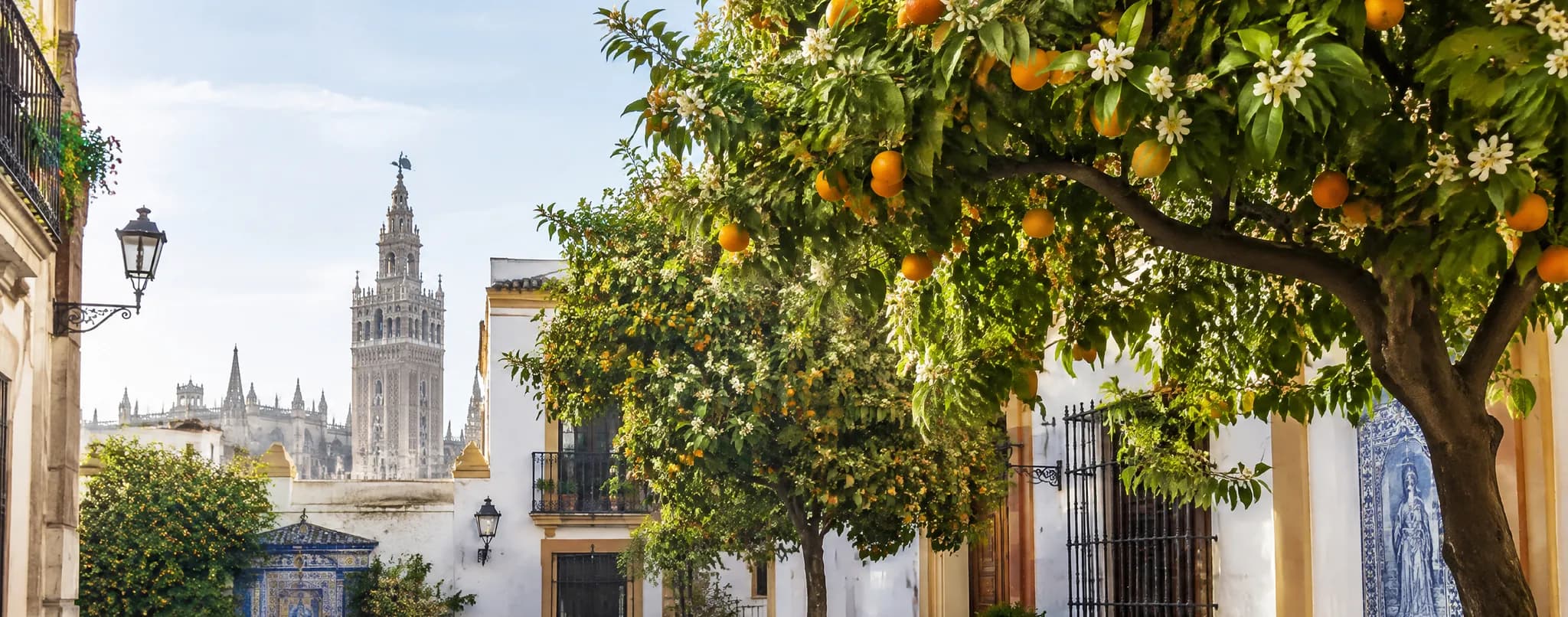
Every spring, the scent of orange blossom spreads through Seville's streets, squares, and courtyards. The city has more than 40,000 orange trees, yet the fruit hanging from them is rarely eaten fresh. The reason lies in the variety of orange, the urban setting, and a history that began thousands of kilometres from Andalusia.
An Asian tree rooted in Seville
Seville's street trees are mainly bitter orange trees, or Citrus aurantium. The species originated in southern China and parts of India before travelling through Persia and North Africa. It reached the Iberian Peninsula during the period of Al-Andalus, around the 10th century.
In Muslim Seville, orange trees were planted in gardens and courtyards for their beauty, fragrance, and traditional uses in medicines, perfumes, and oils. Over the centuries, their white blossom, known as azahar, became inseparable from the city's springtime atmosphere. The word azahar itself comes from the Arabic zahr, meaning “flower”.
Why Seville has so many orange trees
The trees were chosen primarily for ornamental purposes. Their evergreen foliage brings colour throughout the year, while their blossom perfumes the city in March and April. The bright fruit also remains visible during winter, making the tree a natural feature of streets, patios, historic gardens, and public squares.
Successive generations continued planting them until the bitter orange became one of Seville's most recognisable symbols. The city is now widely described as having more orange trees than any other city in the world.
Why the oranges are not eaten fresh
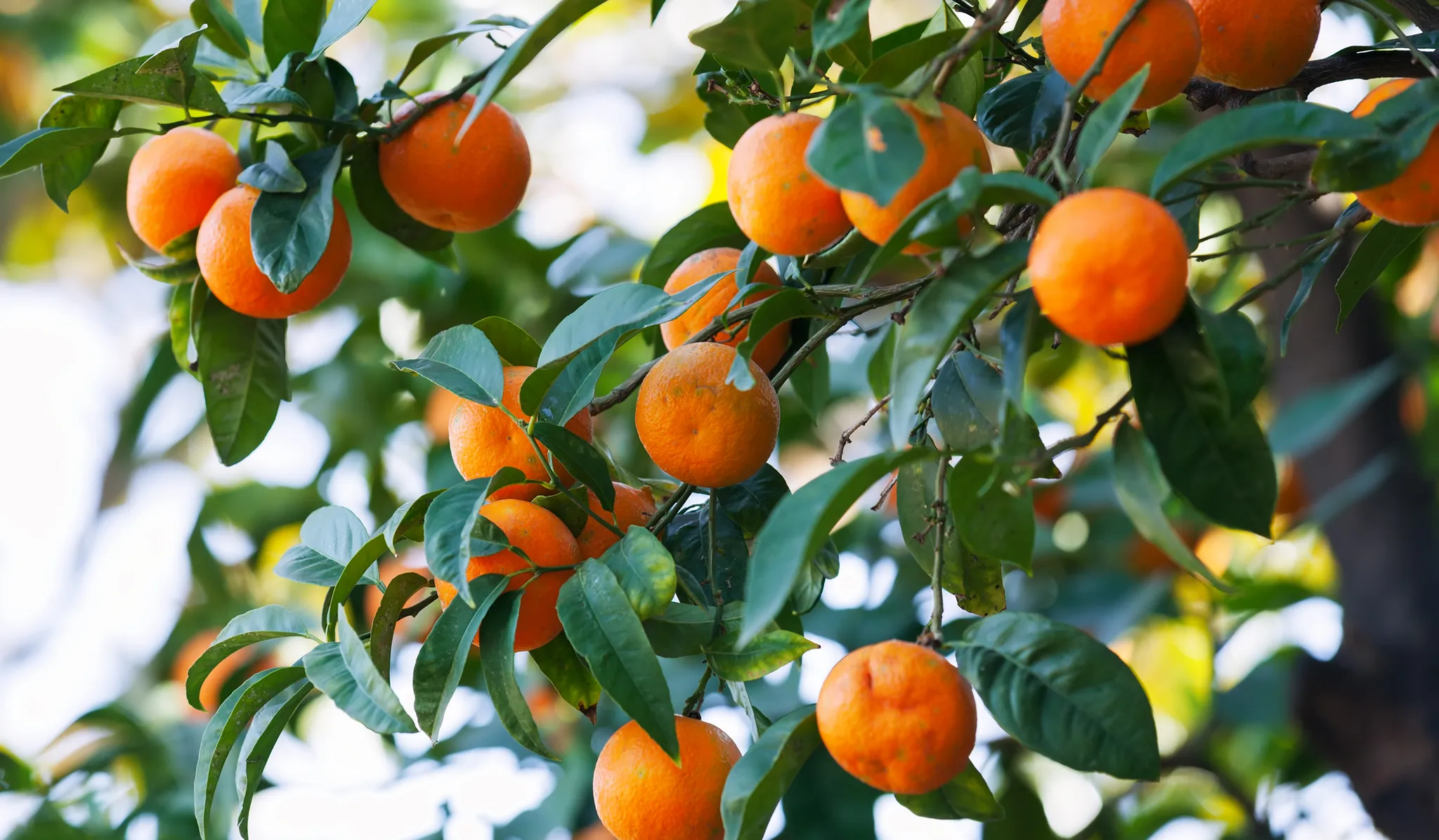
These are not the sweet oranges normally sold as fruit. Bitter oranges have an intense, sharp flavour and are not pleasant to eat directly from the tree. In addition, fruit growing beside roads is exposed to the urban environment and is not cultivated or handled as a food crop, so it should not be picked for personal consumption.
This does not mean that bitter oranges have no culinary value. When they come from controlled sources and are properly processed, their bitterness and aromatic peel make them particularly suitable for preserves. Seville orange marmalade is especially popular in the United Kingdom. A small selection of oranges from the Real Alcazar is still sent to the British Embassy as part of a symbolic marmalade-making tradition.
What happens to the street oranges
Municipal teams collect the fruit each year to keep pavements and roads clean and safe. Depending on its destination, the harvest can be used for compost, livestock feed, cosmetics, essential oils, or renewable energy produced from biogas. The fruit that is unsuitable for eating therefore continues to have practical uses.
A local detail for MICE experiences
Seville's orange trees show why timing and local knowledge matter when designing an event or incentive. A spring walk through orange-scented streets, a reception in a historic courtyard, or a tasting of bitter-orange marmalade and other products made from fruit grown for culinary use can connect a group with the city through a detail that is unmistakably local.
With our own local offices and teams across Spain and Portugal, Cititravel turns local knowledge into distinctive MICE experiences. In Seville, we can build a tailor-made programme around the right season, venues, traditions, and partners for each group.
Planning an event or incentive in Seville? Let us create an experience that connects your group with the city's culture, gastronomy, and local atmosphere.